
A journey to Poland’s most sacred sanctuary — faith, reflection and spiritual heritage.
A journey to Poland’s most sacred sanctuary — faith, reflection and spiritual heritage.
Designed for prayer, reflection and a deeper experience of Jasna Góra.
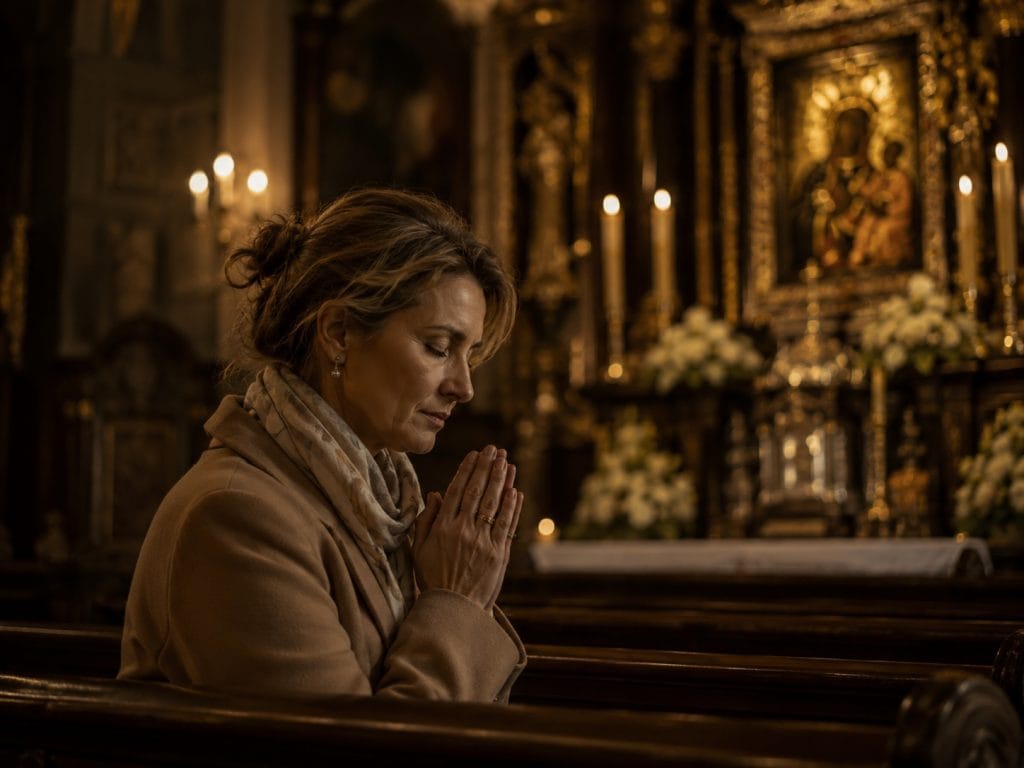
A calm and unhurried visit, allowing space for prayer, silence and personal reflection at Jasna Góra.
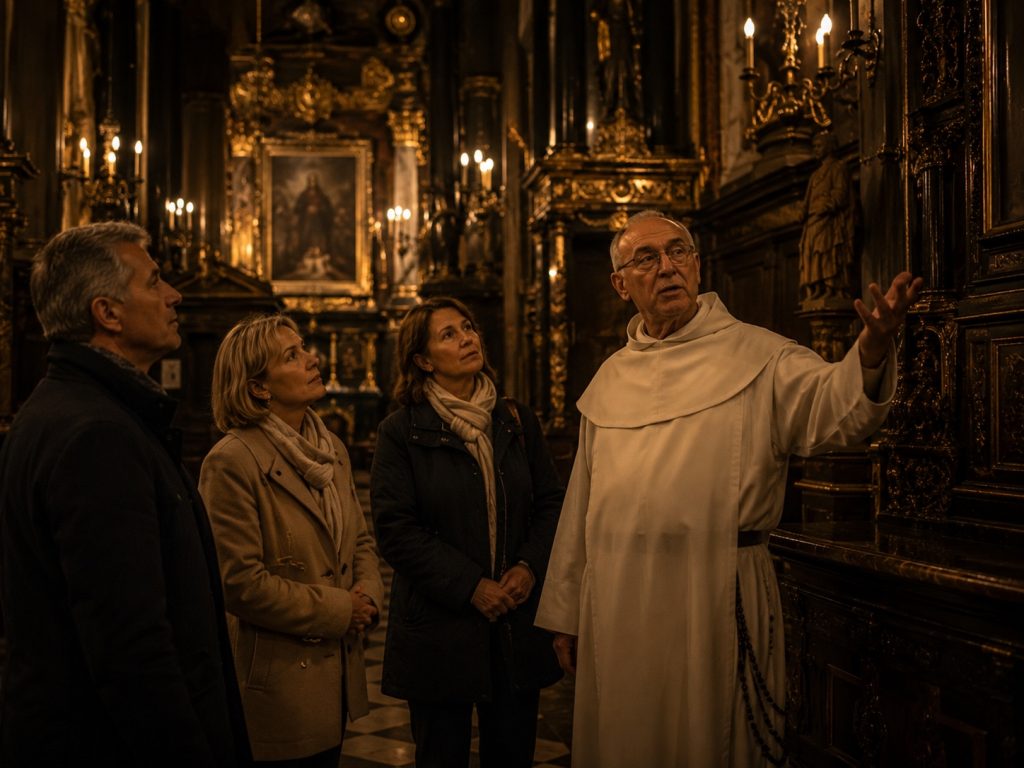
The monastery may also be explored with a priest or religious sister, offering deeper spiritual and historical context.
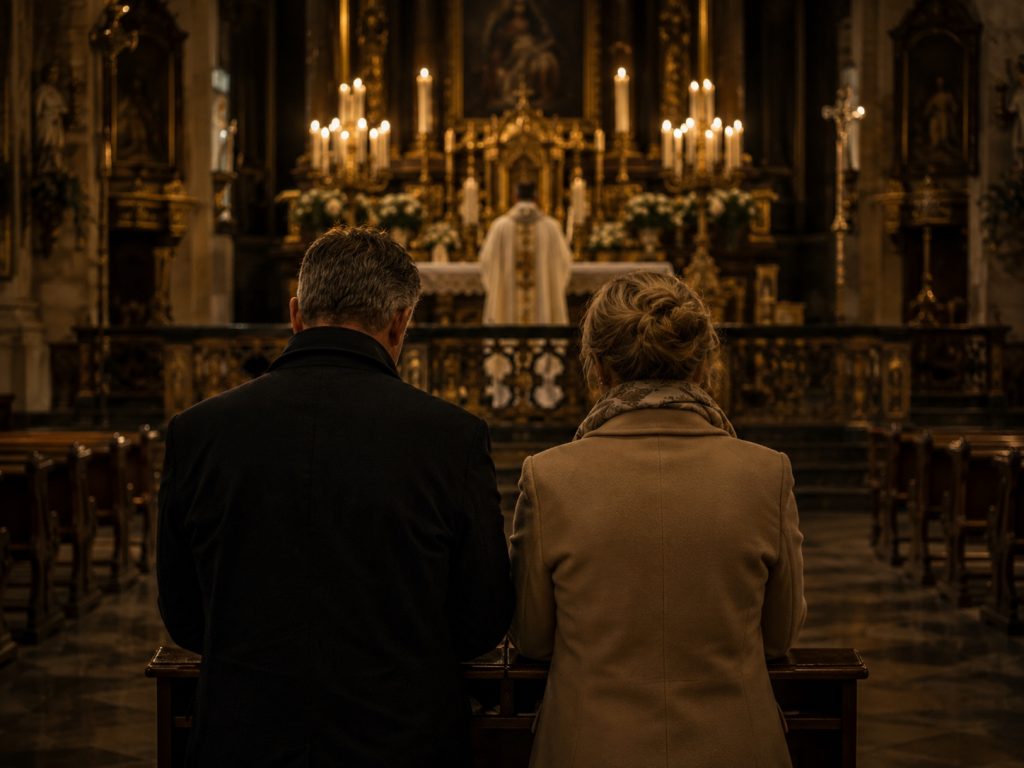
The journey may be arranged around participation in Holy Mass at the sanctuary.
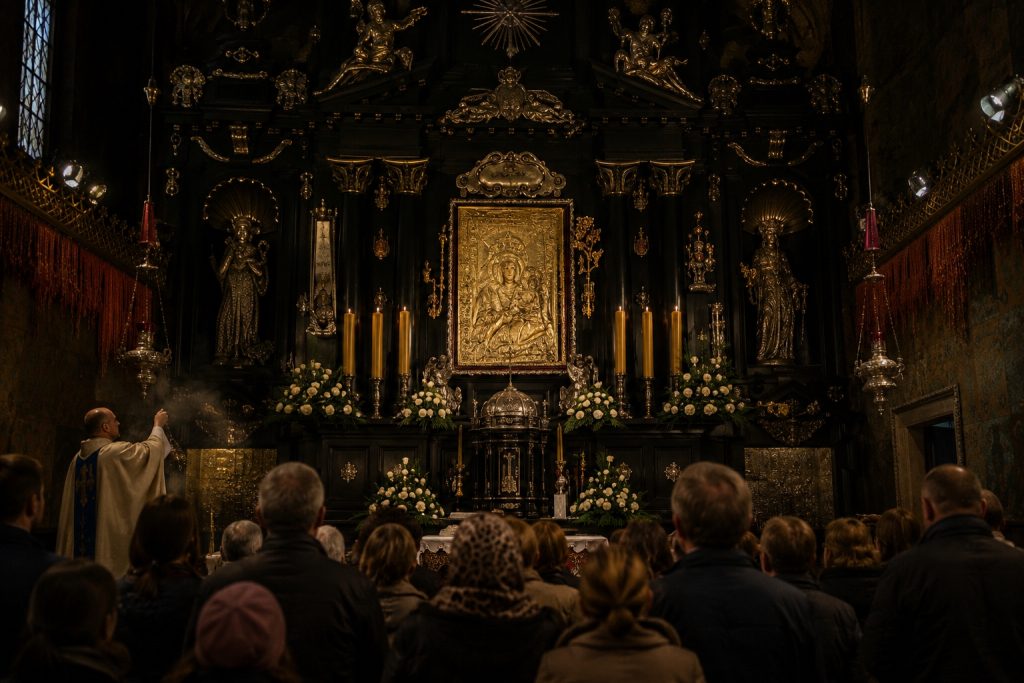
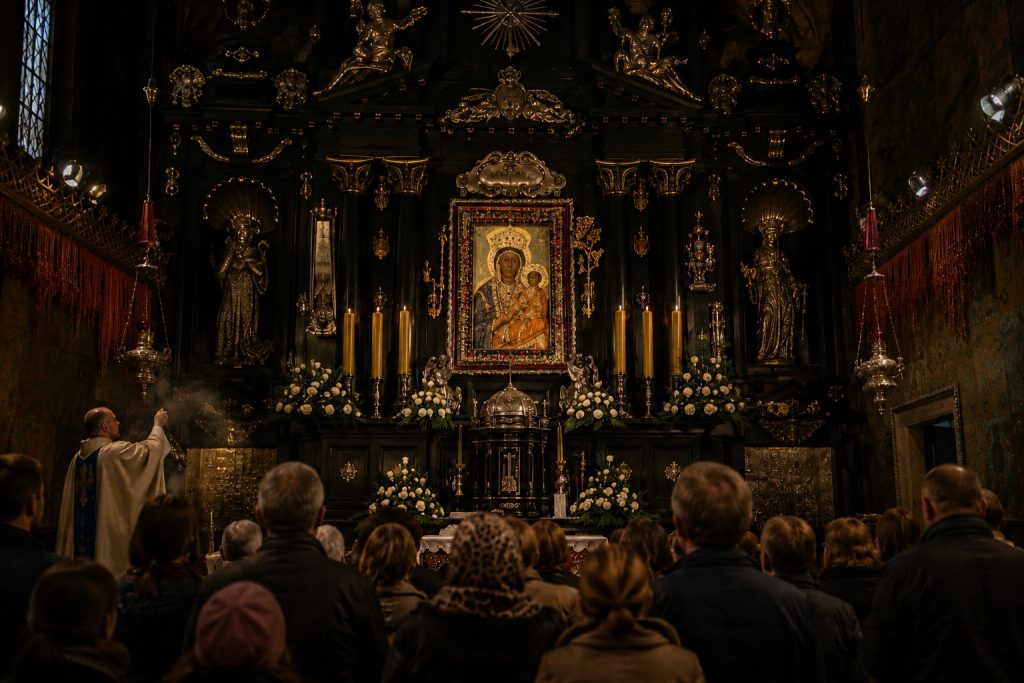
Arrival may be planned around the solemn noon unveiling of the Black Madonna — one of Jasna Góra’s most moving spiritual moments.
For pilgrims wishing to experience the full rhythm of Jasna Góra, evening and morning ceremonies may also be included with an overnight stay.
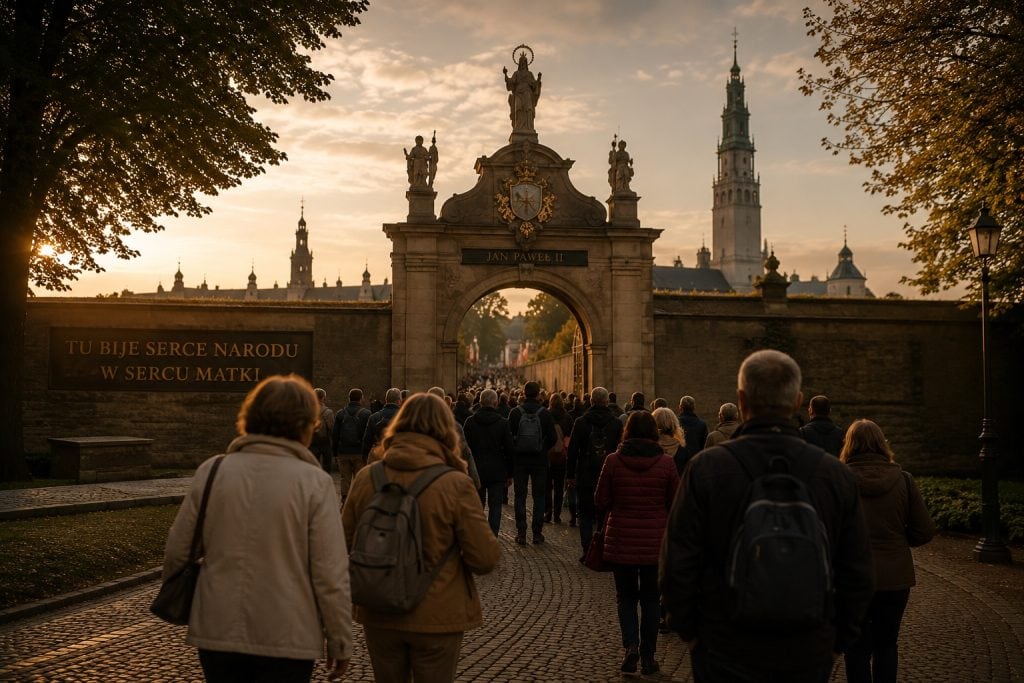
Optional overnight stay at the Pilgrim House, allowing participation in the evening and morning ceremonies at Jasna Góra.
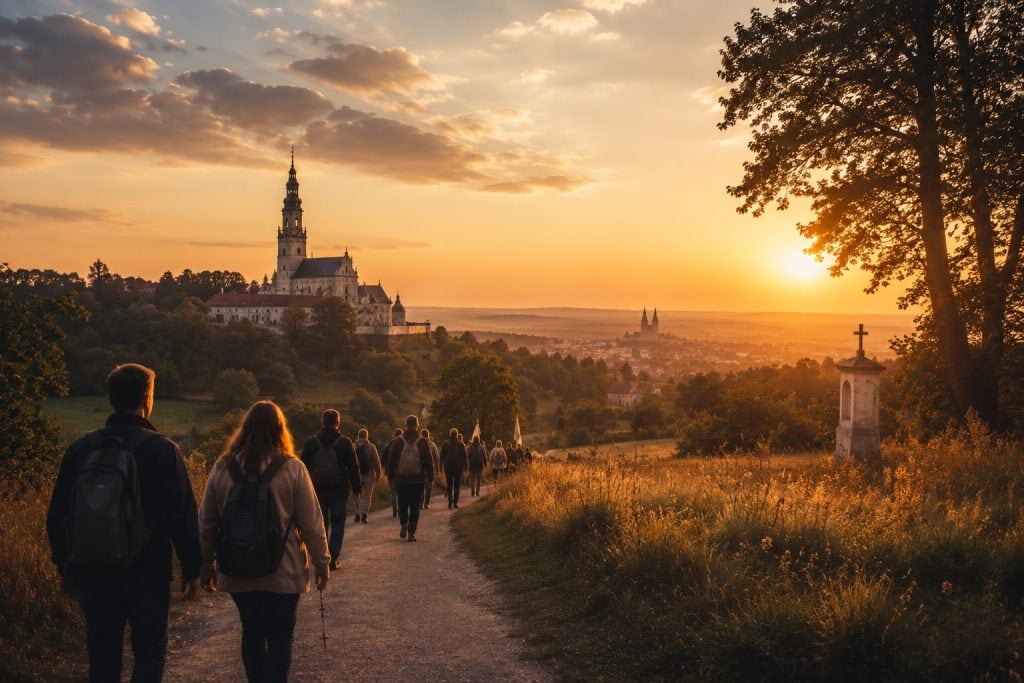
Some arrive in comfort, others after days of prayer and walking — yet for generations, the road to Jasna Góra has remained part of the pilgrimage itself.
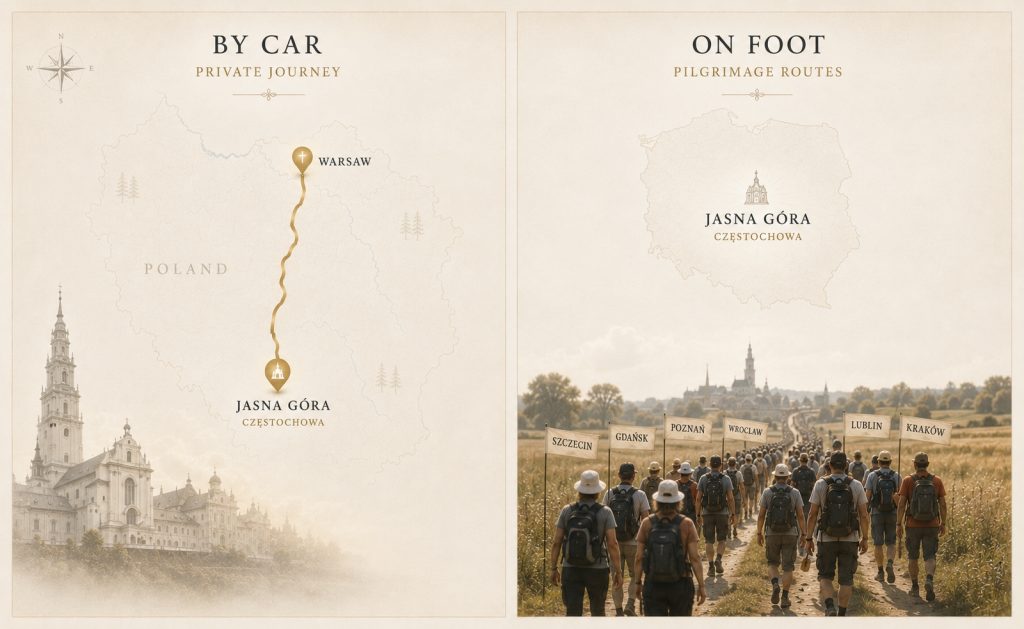
BY CAR · PRIVATE JOURNEY
Departures from central Warsaw cover approximately 220 km (137 miles) each way and usually require around 2 hours and 20 minutes of driving.
Time spent at Jasna Góra is typically unhurried, allowing approximately 1–1.5 hours for visiting the monastery complex, together with prayer and personal reflection — usually 2.5 to 3 hours in total.
A standard private pilgrimage from Warsaw usually lasts around 8 hours.
For guests wishing to participate in Holy Mass or additional devotional ceremonies, the journey may naturally extend to 9–10 hours.
ON FOOT · LIVING TRADITION
Pilgrims walking to Jasna Góra usually cover 30–35 km (19–22 miles) per day, continuing a tradition preserved across centuries and generations.
Longest Pilgrimage
Pilgrims departing from Szczecin walk for nearly 20 days, making it one of Poland’s longest pilgrimage journeys.
Oldest Pilgrimage
The pilgrimage from Gliwice, dating to 1626, is regarded among Poland’s oldest. It began as an act of gratitude after the city was spared during the Thirty Years’ War. According to local tradition, the Virgin Mary spread her protective mantle over the city, shielding it from Danish troops.
Largest Pilgrimage
The pilgrimage from Tarnów gathers approximately 11,000 participants, making it among the largest annual pilgrimages to Jasna Góra.
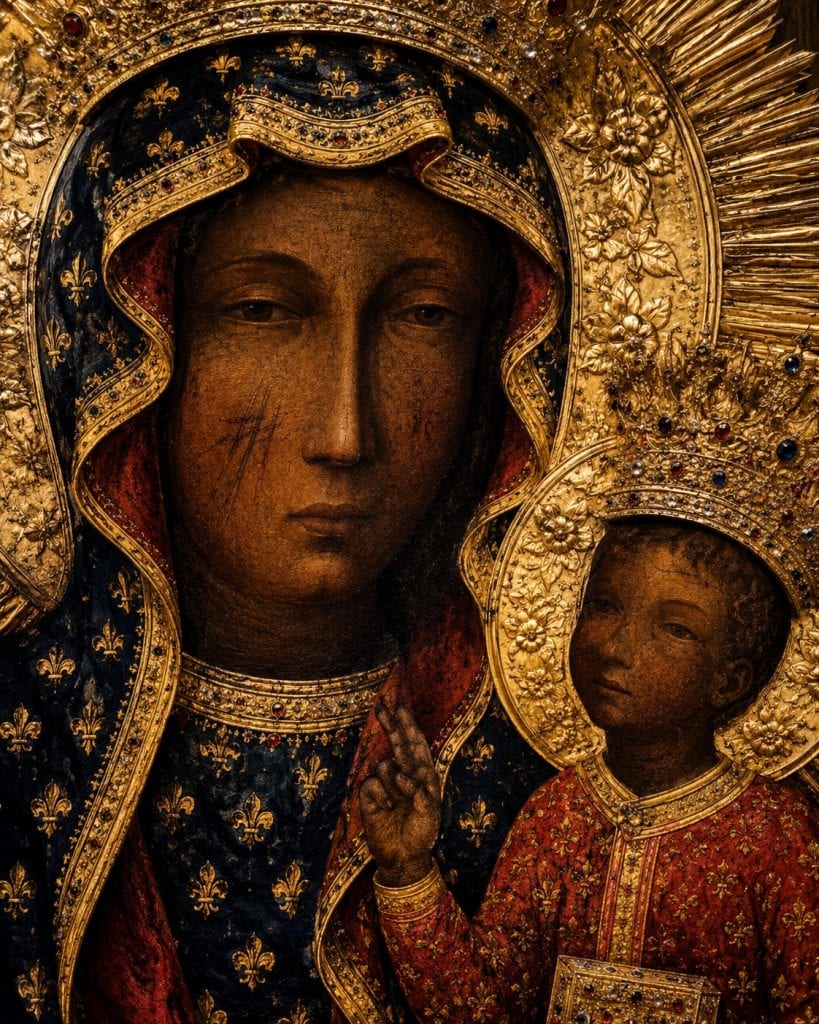
According to a manuscript preserved at Jasna Góra and dated 1474, the icon of the Black Madonna was believed to have been painted by Saint Luke the Evangelist himself.
Tradition holds that the image was created on a wooden tabletop once used by the Holy Family in Nazareth. Two identical icons were said to have been painted — one travelling west toward Florence, the other east to Constantinople before eventually reaching Poland.
The icon measures 122 × 82 cm and was painted on wooden panels, traditionally described as linden or cedar. Its dark appearance — which gave rise to the name Black Madonna — was not originally intended. Over centuries, smoke from candles and accumulated dust gradually transformed the complexion from warm wheat tones into the deep brown colour known today.
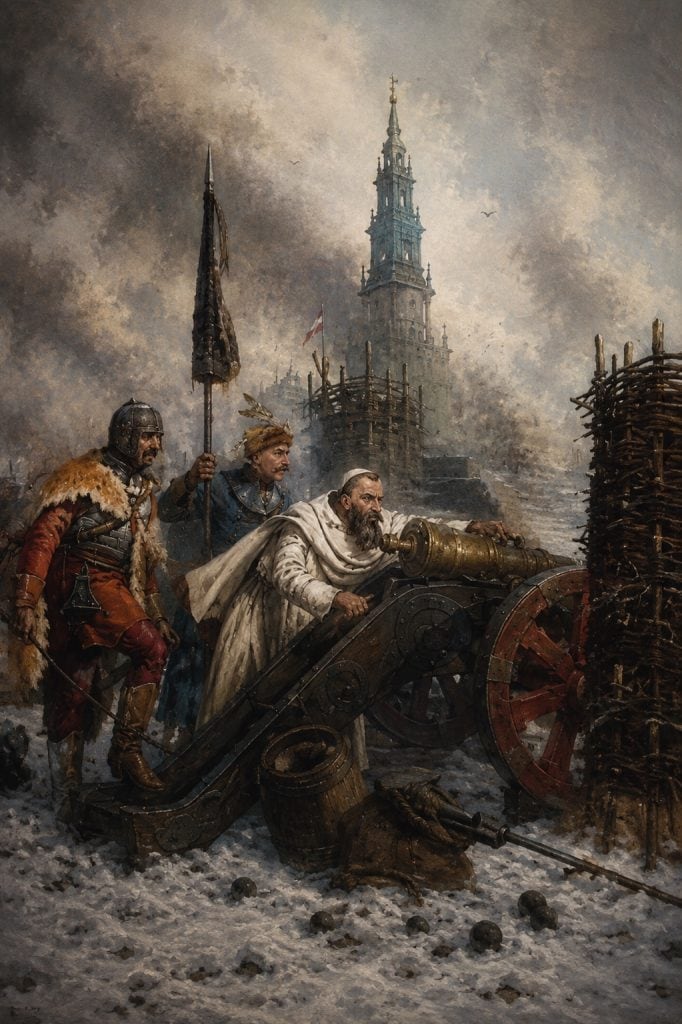
During the Swedish Deluge of 1655, after much of Poland had fallen under Swedish control, Jasna Góra became an unlikely fortress of resistance.
The Swedish army approached with approximately 3,200 soldiers and 36 cannons. Defending the monastery were only 160 men supported by 19 guns.
The siege lasted for six weeks.
Against expectations, the monastery was never taken.
Military historians still debate the strategic importance of the defence, yet its symbolic meaning proved enormous. The survival of Jasna Góra strengthened morale across the Commonwealth and gradually became part of Poland’s national identity.
Centuries later, the story entered literature through Henryk Sienkiewicz’s novel The Deluge — especially the famous episode of Kmicic destroying the Swedish colubrine cannon, a scene recognised by generations of Polish readers.
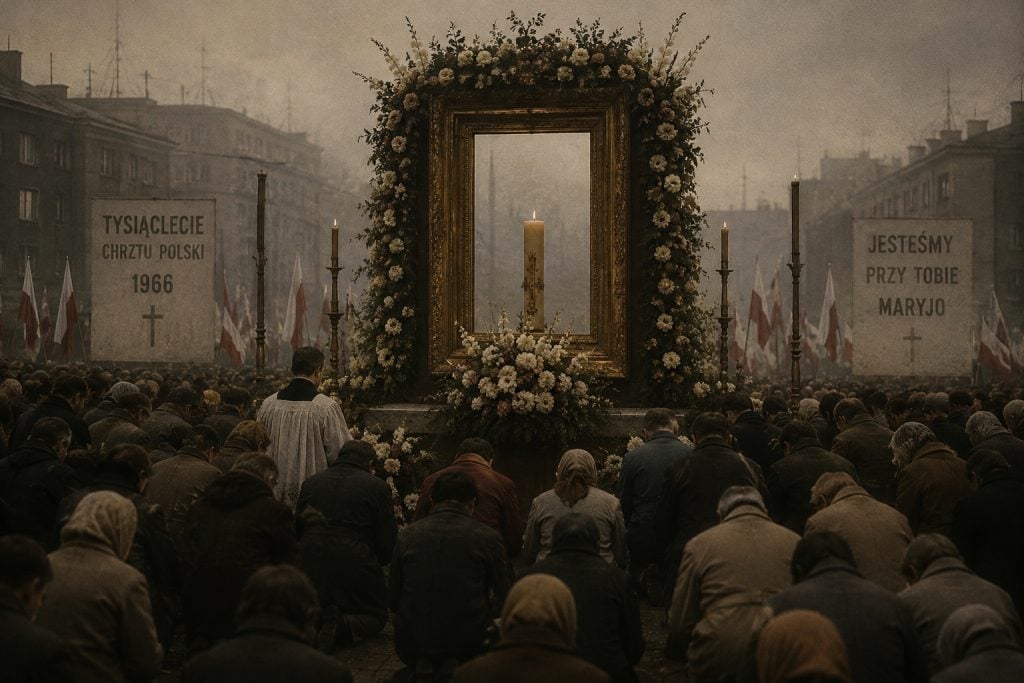
In 1966, during the millennium celebrations of Poland’s baptism, Cardinal Stefan Wyszyński launched a nationwide pilgrimage of the Black Madonna’s copy through Poland’s major cities.
For the communist authorities, such a public manifestation of faith and national unity proved unacceptable.
The icon was detained under state supervision and prevented from continuing its journey.
Yet the pilgrimage itself was not abandoned.
Instead, empty frames decorated with flowers continued to travel across Poland. Candles and the Gospel were placed within them, transforming absence into presence.
For many believers, the empty frame became one of the most moving symbols of spiritual resistance in twentieth-century Poland.
Practical information before your visit to Jasna Góra — travel, prayer, timing and what to expect during the pilgrimage journey.
The miraculous icon of the Black Madonna is covered and unveiled according to a long-standing devotional schedule.
Typical unveiling schedule:
Daily:
– Morning unveiling at 6:00 AM
Weekdays (May–September):
– Covered at 12:00 PM
– Unveiled again at 1:00 PM
Saturdays, Sundays & Feast Days (May–September):
– Covered at 1:30 PM
– Unveiled at 2:00 PM
Weekdays (October–April):
– Unveiled at 6:00 AM and 3:00 PM
– Covered at 12:00 PM
As schedules may occasionally change during major religious celebrations, we recommend confirming the current program before arrival.
The Apel Jasnogórski is the sanctuary’s daily evening prayer and one of Jasna Góra’s most moving spiritual traditions.
Held every evening at 9:00 PM in the Chapel of the Black Madonna, the prayer gathers pilgrims, clergy and visitors from across Poland and abroad.
Many guests consider this moment the spiritual climax of their visit.
The most up-to-date information regarding:
– liturgical schedules
– current ceremonies
– monastery maps
– pilgrimage information
– sanctuary announcements
can always be found directly on the official Jasna Góra website and Pilgrim Office portal.
Programs may vary during feast days and pilgrimage season.
Yes.
Around the monastery area visitors may occasionally encounter individuals informally offering small devotional objects while requesting donations supposedly on behalf of the sanctuary.
The monastery does not authorize street fundraising of this kind.
If you wish to support Jasna Góra or purchase devotional items, it is best to use official monastery shops or information points.
Yes.
Mass intentions may be arranged either:
– in person through the Custodian’s Office
– by telephone or email
Offerings are voluntary.
Traditionally, a single Mass intention is usually associated with an offering of approximately 50–100 PLN, while Gregorian Masses (30 Masses for the deceased) involve higher customary offerings.
If a particular date is important, intentions should ideally be arranged several months in advance.
Yes.
Because Jasna Góra is an active place of worship, visitors are kindly asked to wear modest clothing.
We recommend:
– covered shoulders
– clothing reaching at least the knees
– respectful attire suitable for a sacred space.
This is particularly appreciated when entering the Chapel of the Black Madonna or attending Mass.
Yes.
Confessors serve daily for most of the day.
Confession is usually available:
– in the Chapel of the Sacrament of Reconciliation
– and during summer also in the Upper Room (Wieczernik)
Typical hours are approximately:
6:15 AM – 7:30 PM
As an old Polish saying reminds pilgrims:
“Only the Swedes went to Jasna Góra without confession.”
Yes.
Masses are celebrated continuously from early morning until evening.
Typical schedules:
Weekdays:
5:30 AM – 6:30 PM
Sundays and Feast Days:
until approximately 8:00 PM
Services usually take place at intervals no longer than two hours.
Because liturgical schedules change seasonally and during feast days, current information should always be verified through official sanctuary sources.
Yes.
Blessing of devotional objects is available:
Summer season:
– before the Basilica
– and in the sacristy during opening hours
Winter season:
– in the sacristy.
Many pilgrims bring rosaries, medals, crosses or family devotional items for blessing.
Discover the spiritual heart of Poland, where history, faith and centuries of pilgrimage come together beneath the gaze of the miraculous Black Madonna.
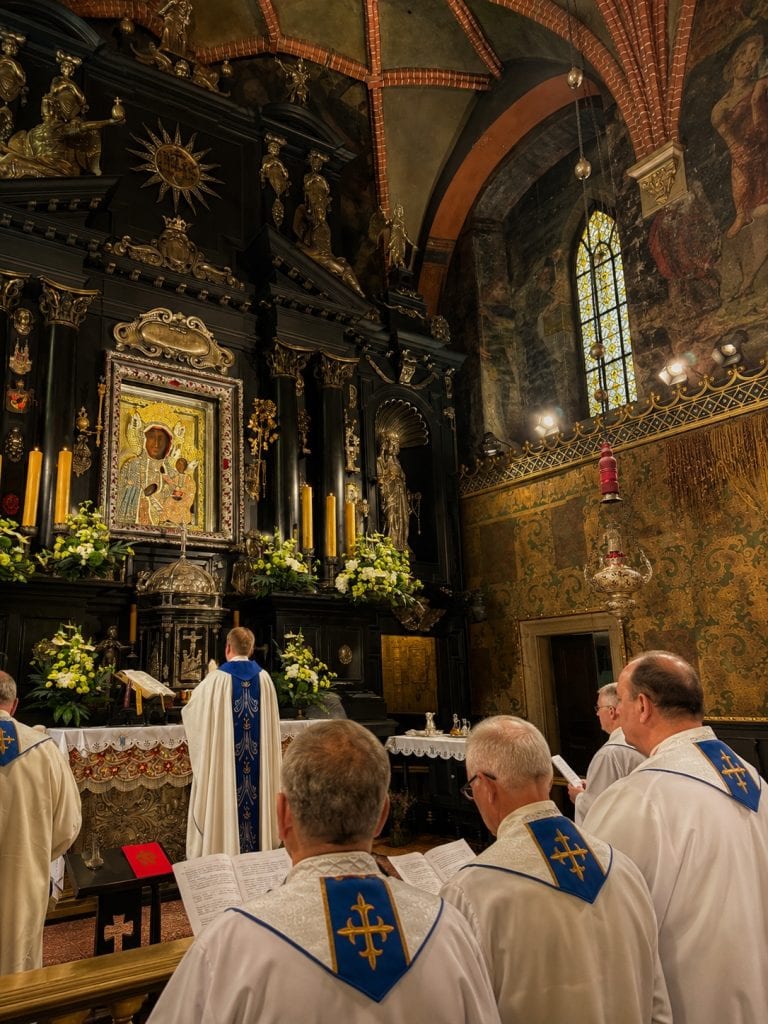
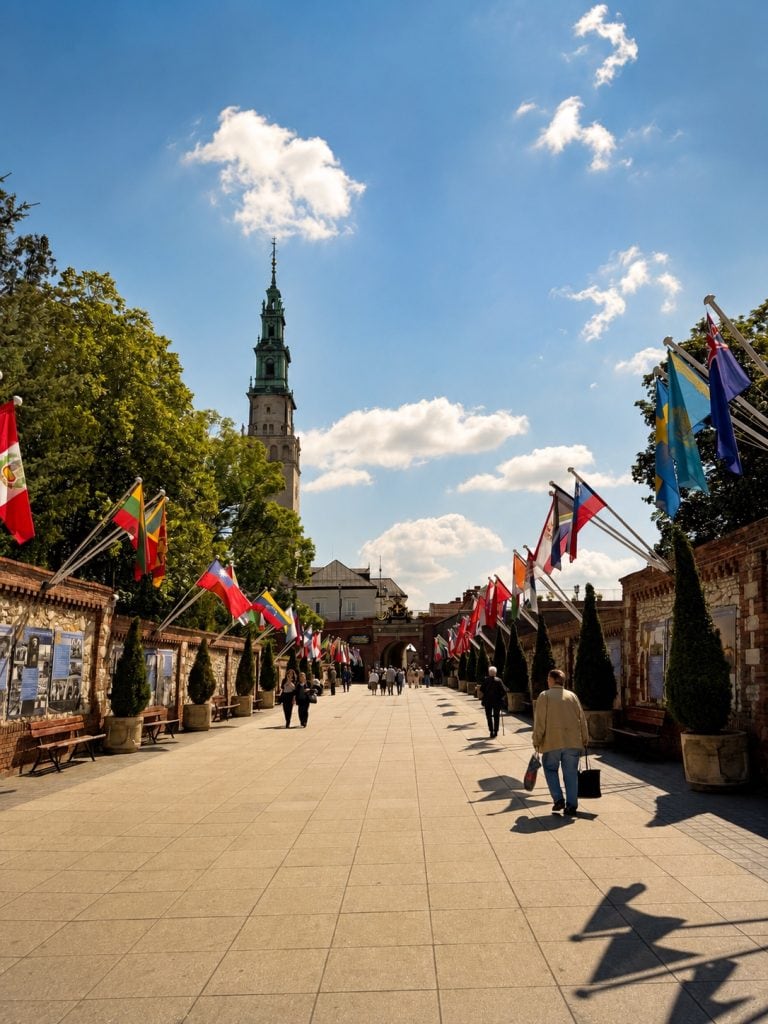
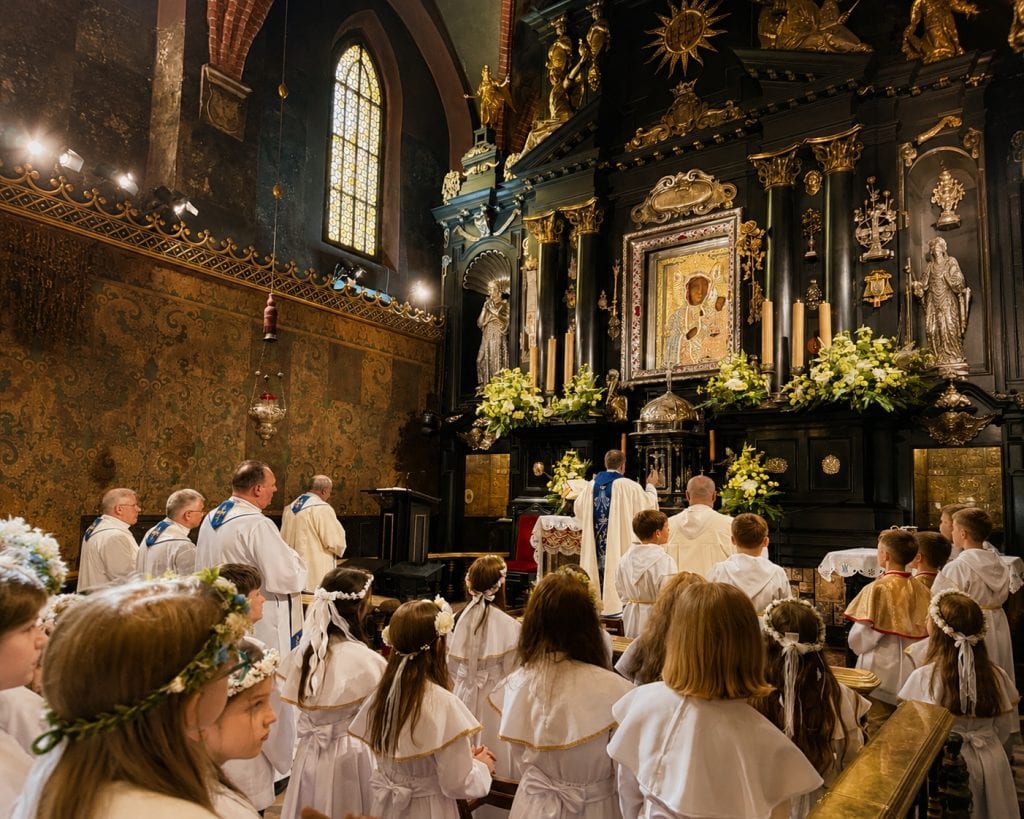
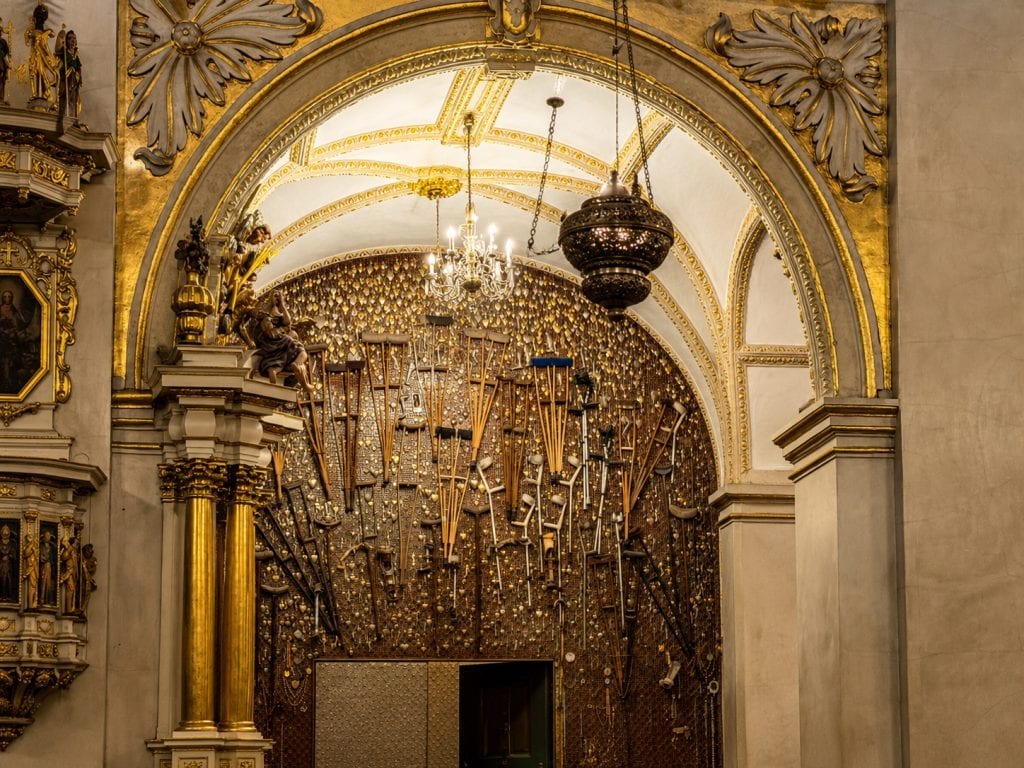
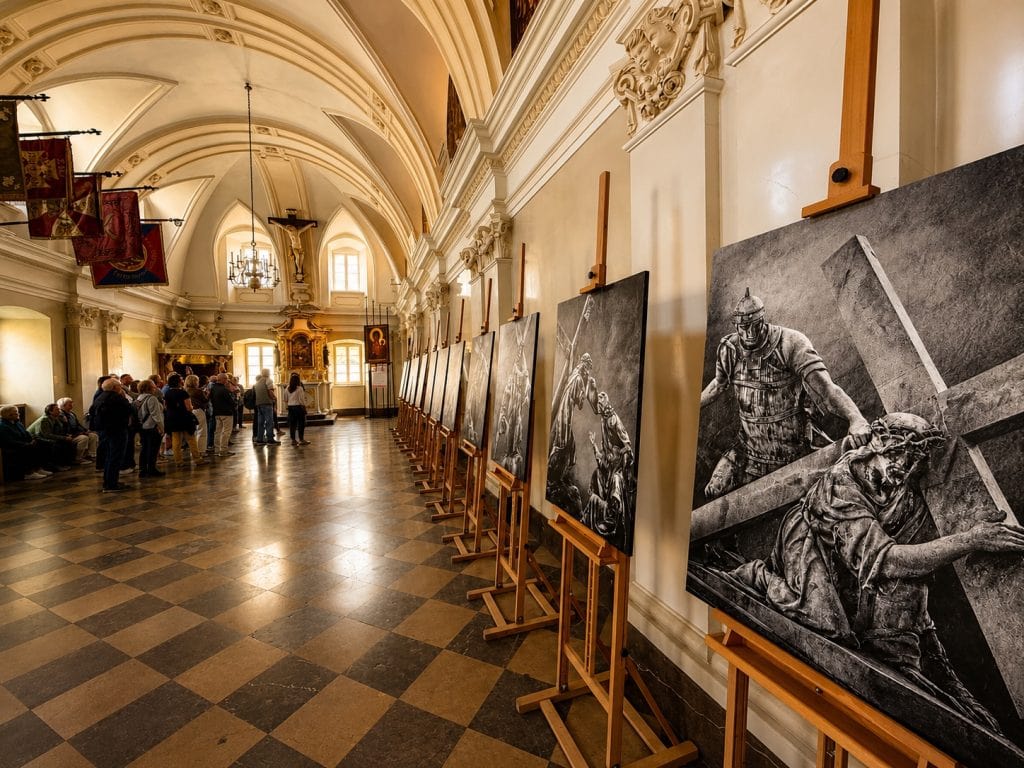
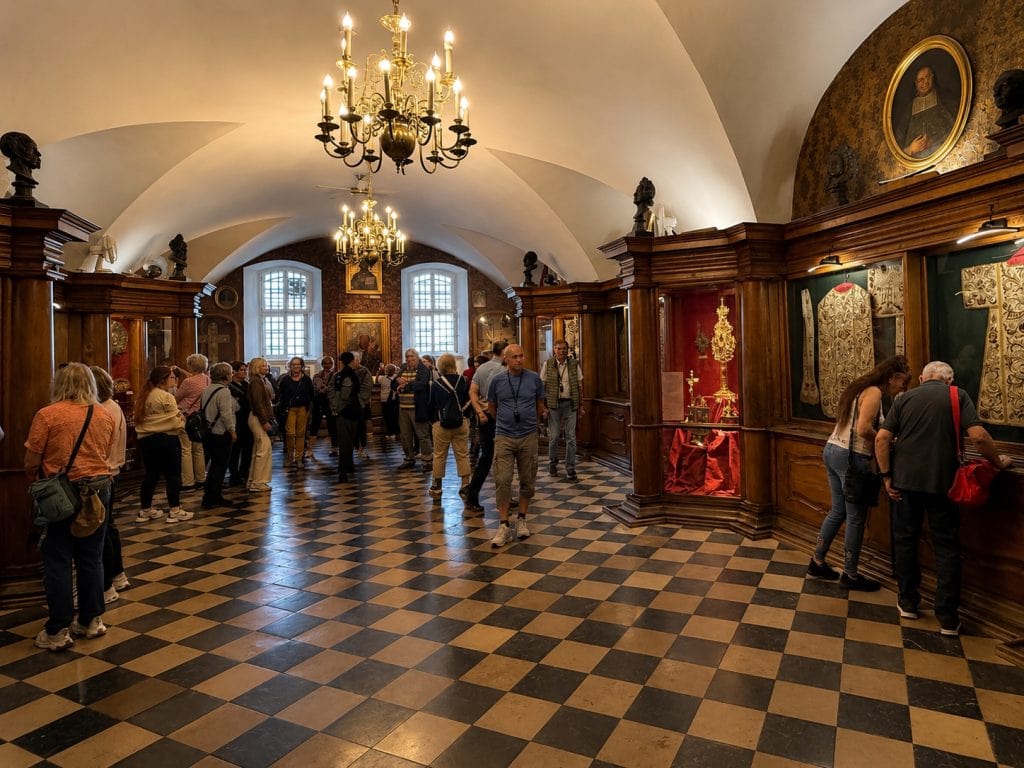
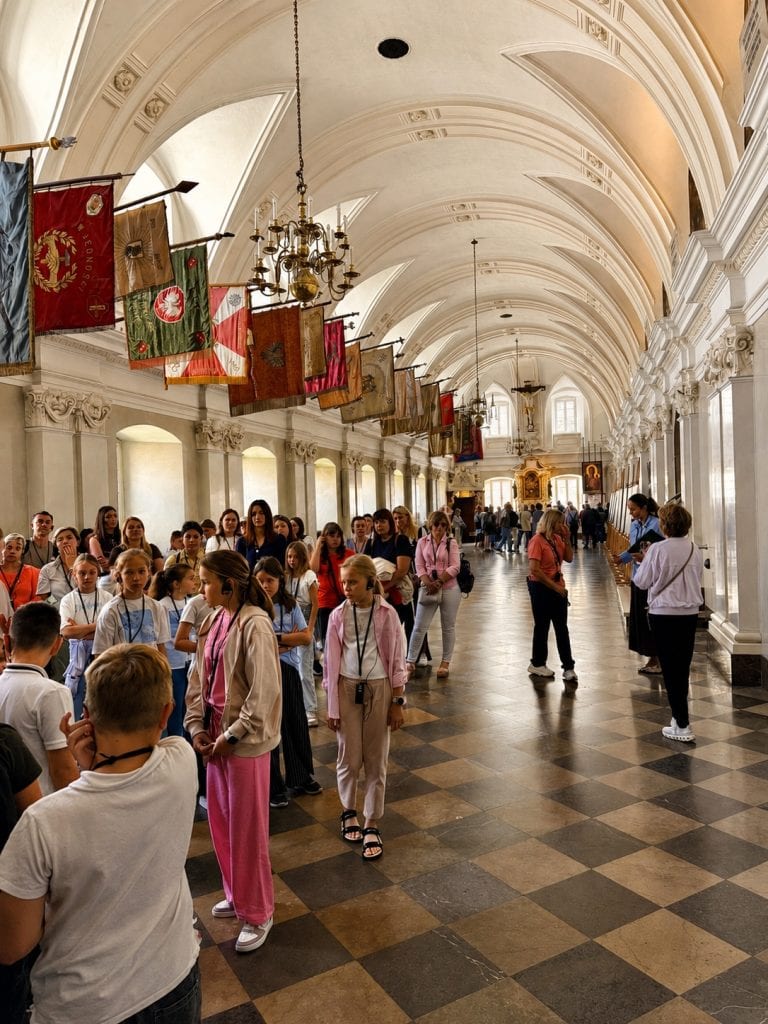
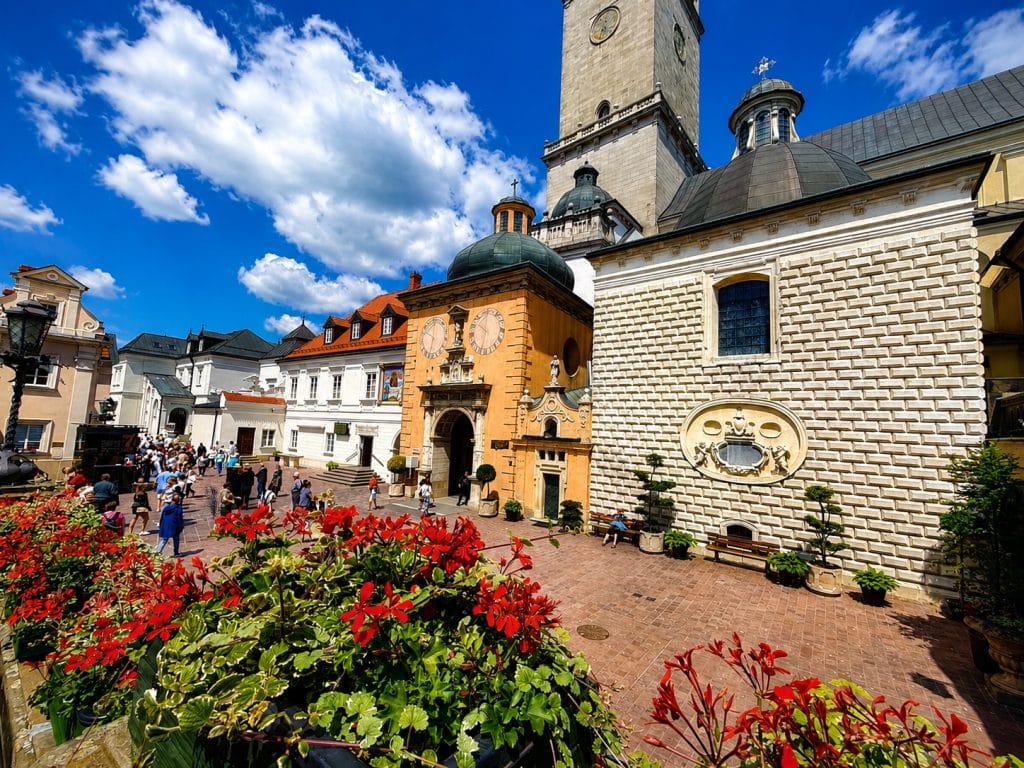
Every photograph presented above was taken personally during real private journeys to Jasna Gora & Black Madonna Private Tour organized by One Day in Poland.
These are not stock images — but moments preserved from places that continue to shape memory and reflection.
What’s included
• Private transportation (hotel pickup and drop-off)
• Full-day English-speaking private driver-guide
• Flexible itinerary adjusted to your pace and devotional interests
• Visit to Jasna Góra Monastery and the Chapel of the Black Madonna
• Time for prayer, reflection and participation in sanctuary life
• Assistance with monastery orientation and current ceremony schedule
• Parking fees and fuel costs included
• Suggested time for monastery exploration (approximately 1–1.5 hours)
• Possibility to adjust the visit around Mass, unveiling ceremony or personal prayer time
Your private guide remains with you throughout the journey — helping connect the spiritual, historical and cultural meaning of Jasna Góra into one complete pilgrimage experience.
• Meals and personal expenses
• Gratuities (optional)
• Official monastery priest-guide (optional)
— approximately 40 EUR (up to 3 guests)
— approximately 100 EUR (up to 6 guests)
• Overnight stay at the Pilgrim House (optional)
— from approximately 50 EUR per room / per night
• Holy Mass offerings or personal devotional donations (voluntary)
JASNA GÓRA PRIVATE PILGRIMAGE
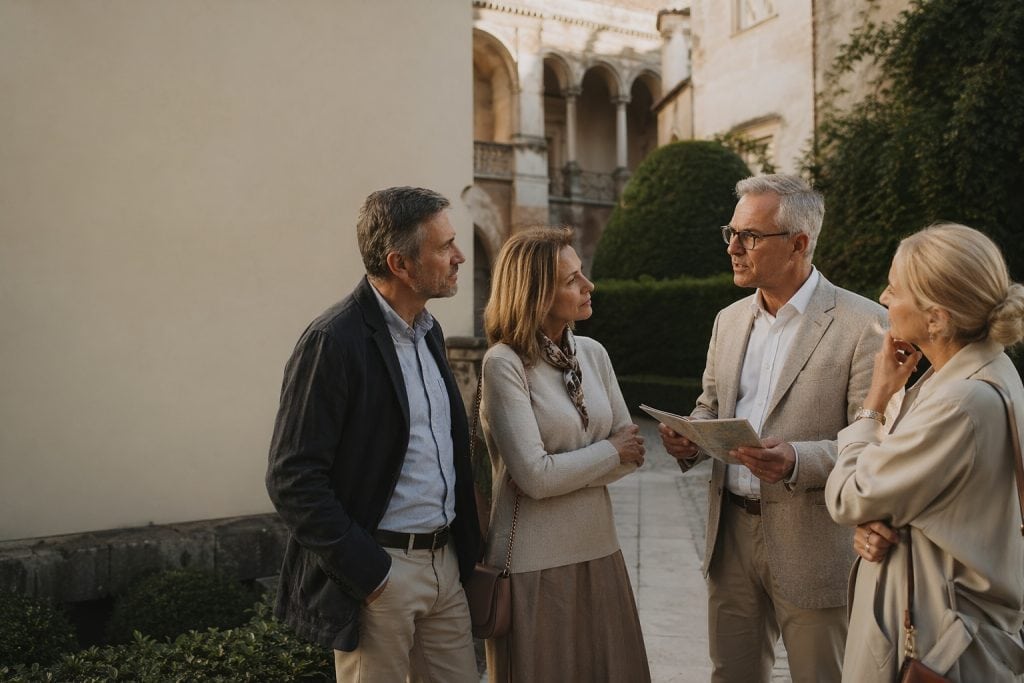
Ideal for couples or small groups seeking a quiet, private journey with full comfort.
JASNA GÓRA PRIVATE PILGRIMAGE

A perfect solution for families or small groups traveling together, without compromising comfort.
JASNA GÓRA PRIVATE PILGRIMAGE

We can also arrange transport and guiding services for larger groups, including minibuses and multi-day itineraries.
Please contact us for a tailored quote.
• Cash (EUR / USD / PLN)
• Credit & debit cards
• Secure online payment (on request)
No hidden fees. No prepayment required for most bookings.
PRIVATE PILGRIMAGE PLANNING
Whether you wish to attend Holy Mass, spend quiet time in prayer or simply discover one of Poland’s most important spiritual places — we will help you arrange the day with care and flexibility.
Some journeys begin at Jasna Góra and naturally lead toward other places of prayer, memory and spiritual reflection across Poland.
ONE-DAY PILGRIMAGE
Combine Jasna Góra with Kraków and the Sanctuary of Divine Mercy in Łagiewniki during one carefully paced private pilgrimage. A journey linking Marian devotion, Saint Faustina and two of Poland’s most important spiritual destinations — all within a single day from Warsaw. The itinerary balances prayer, history and comfortable travel.
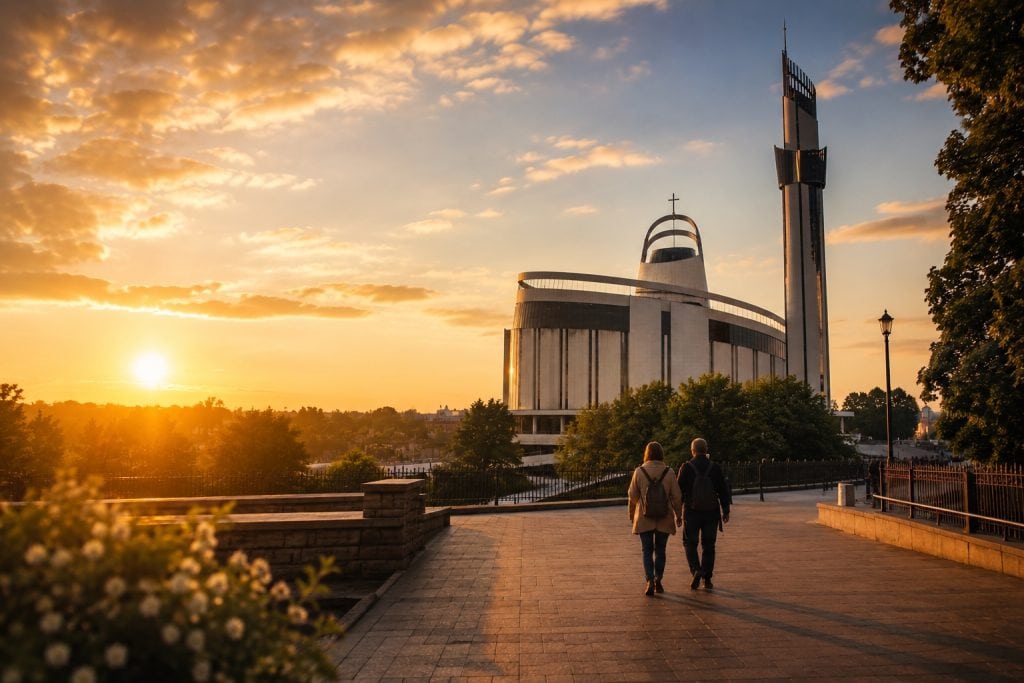
5–7 DAY PRIVATE JOURNEY
Beginning in Warsaw, this private pilgrimage may include Niepokalanów, Gietrzwałd, Święta Lipka, Licheń, Jasna Góra, Kraków, Łagiewniki and Wadowice — together with other sacred places chosen according to your interests and spiritual priorities. The itinerary remains fully flexible, allowing time for prayer, reflection and travel at your own pace.
We use cookies to enhance your experience and understand how our website is used.
You can accept all cookies or customize your preferences at any time.